Peppermint absolute (CAS 8006-90-4) — Green Top to middle Note Fragrance Ingredient
Peppermint absolute
CAS 8006-90-4
What Is Peppermint absolute?
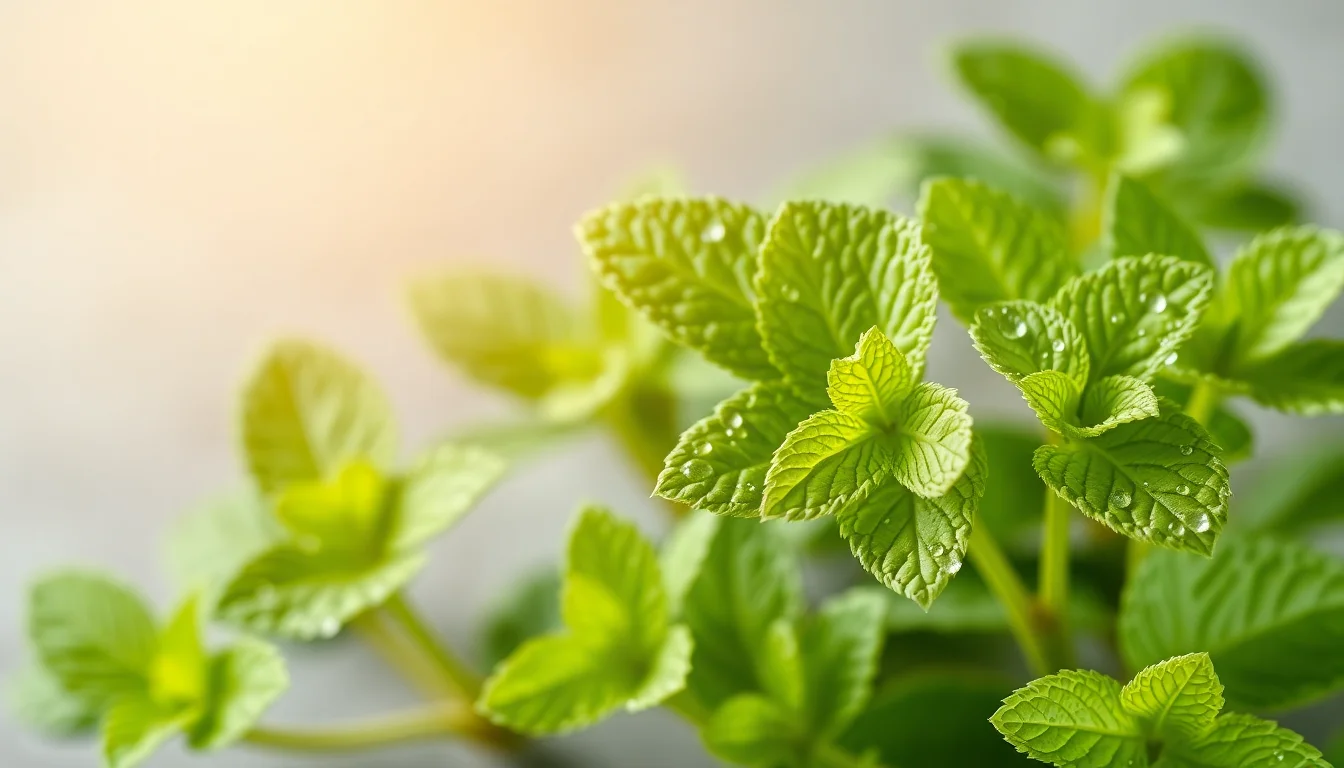
Peppermint absolute is a highly concentrated aromatic extract from peppermint leaves, commonly found in chewing gums, toothpastes, and cooling topical products. Its crisp, cooling sensation makes it instantly recognizable. This ingredient matters because it provides both fragrance and functional benefits, offering a natural cooling effect and fresh aroma that enhances sensory experiences in everyday products.
Safety Profile
USE WITH AWARENESSWhat Does Peppermint absolute Smell Like?
Peppermint absolute bursts with an intensely fresh, minty aroma—like crushed leaves underfoot on a dewy morning. The opening is sharp and cooling, dominated by menthol’s icy clarity, with subtle green undertones. As it evolves, a sweeter, almost herbal heart emerges, reminiscent of spearmint but more medicinal. The dry-down retains a crisp, clean finish, leaving a lingering coolness that feels invigorating. Its scent profile is linear but dynamic, making it ideal for adding a refreshing punch to fragrances.
In Famous Fragrances
Fragrance associations may not reflect actual formulations.
Peppermint absolute amplifies the aquatic freshness, adding a brisk, invigorating edge to the marine accord.
Used sparingly to enhance the herbal-green character, pairing with violet leaf for a dewy effect.
Peppermint’s cooling tone contrasts with salty marine notes, evoking ocean breezes.
The star ingredient, layered with citrus for a mojito-like vibrancy.
Peppermint absolute sharpens the citrus-floral bouquet, adding a crisp lift.
Chemistry, Properties & Perfumer Guide
The Chemistry
Peppermint absolute is rich in menthol (35–50%), menthone (10–30%), and menthyl acetate (3–10%), with trace esters and terpenes. These monoterpenoids are responsible for its cooling sensation, binding to TRPM8 receptors in the skin. The absolute is typically obtained via solvent extraction from *Mentha piperita* leaves, preserving volatile compounds lost in steam distillation. Chirality matters: (−)-menthol is significantly more potent than its (+) enantiomer. Synthetic equivalents often lack the complexity of natural absolutes due to missing minor constituents like limonene and pulegone.
Physical & Chemical Properties
| Appearance | Viscous green liquid |
|---|---|
| Flash Point | >100 °C |
| Solubility | Soluble in ethanol, oils; insoluble in water |
Key Constituent Properties
| Constituent | CAS | MW | BP °C | XLogP | Vapor P. |
|---|---|---|---|---|---|
| Menthol | 89-78-1 | 156.27 | 212 °C | 3.4 | 0.05 mmHg |
| Menthone | 89-80-5 | 154.25 | 207 °C | 2.9 | 0.1 mmHg |
Perfumer Guide
| Application | Typical % | Range | Notes |
|---|---|---|---|
| Fine Fragrance | 0.5–2% | Up to 5% | Adds freshness without overpowering |
| Oral Care | 0.1–0.5% | Up to 1% | Provides cooling and flavor |
| Topicals | 0.5–3% | Up to 10% | Functional cooling effect |
Classic Accords
Tip: Balance with sweeter notes (vanilla, tonka) to prevent excessive sharpness.
Alternatives & Comparisons
Pure cooling effect without green nuances; ideal for cost-sensitive or allergen-free formulations.
Softer, sweeter mint profile; lacks the intense cooling of peppermint.
Safety, Regulatory & Sustainability
⚠ Regulatory Disclaimer
General reference only. Consult current IFRA Standards Library before formulating.
IFRA Status
No IFRA restrictions. Pulegone content is self-limiting due to its low concentration.
EU Allergen Declaration
Limonene must be declared if present at ≥0.001% in leave-on products.
GHS Classification
RIFM Assessment
RIFM assessment confirms safe use at current industry levels, with emphasis on avoiding high pulegone content.
Sustainability
Peppermint is a high-yield crop, often grown sustainably in the Pacific Northwest (USA) and India. Organic farming reduces pesticide runoff. Absolute production is solvent-intensive; CO2 extraction is emerging as a greener alternative. Synthetic menthol offers a renewable option via catalytic hydrogenation of thymol.
Explore Peppermint absolute
Browse essential oils and aroma compounds.
Browse on iHerb →Affiliate disclosure: we may earn a small commission at no extra cost to you.
References
Data: PubChem (NIH), PubMed, RIFM, IFRA. Last reviewed: Apr 2026.
Report a data errorIngredient Data Sheet
CAS 8006-90-4Odor & Flavor
| The oil is obtained by steam distillation of the fresh, overground parts of the flowering plant with yields ranging from 0.3 to 0.7%, depending on the origin of the plant. The oil may be rectified by distillation but is neither partially nor wholly dementholized. It has a characteristic strong penetrating odor of peppermint and a pungent taste, followed by a sensation of coldness when air is drawn into the mouth.📖 Fenaroli |
Regulatory Status
| IOFI Classification | Natural📖 Fenaroli |
Physical data: PubChem (NIH/NLM), U.S. EPA CompTox Dashboard, EPA OPERA models, RDKit. Odor & flavor: Arctander (Perfume & Flavor Chemicals), Fenaroli's Handbook of Flavor Ingredients, Leffingwell. Thresholds: van Gemert (Compilations of Odour Threshold Values). Regulatory: IFRA Standards 51st, FEMA GRAS. Trade names: Surburg (Common Fragrance & Flavor Materials). All data compiled and cross-referenced for perfumertools.com.
Related Research
- 2-Pyridinecarboxylic acid, ethyl ester (CAS 2524-52-9) — Green Experimental Note Fragrance Ingredient
- Gamma-Decalactone (CAS 706-14-9) — Sweet Heart Note Fragrance Ingredient
- Tamarind extract (CAS 72968-49-1) — Sweet Top to Heart Note Fragrance Ingredient
- Decenal Isomers (CAS 174155-47-6) — Green Top to middle Note Fragrance Ingredient