Lovage leaf oil (CAS 8016-31-7) — Green Top to Heart Note Fragrance Ingredient
Lovage leaf oil
CAS 8016-31-7
What Is Lovage leaf oil?
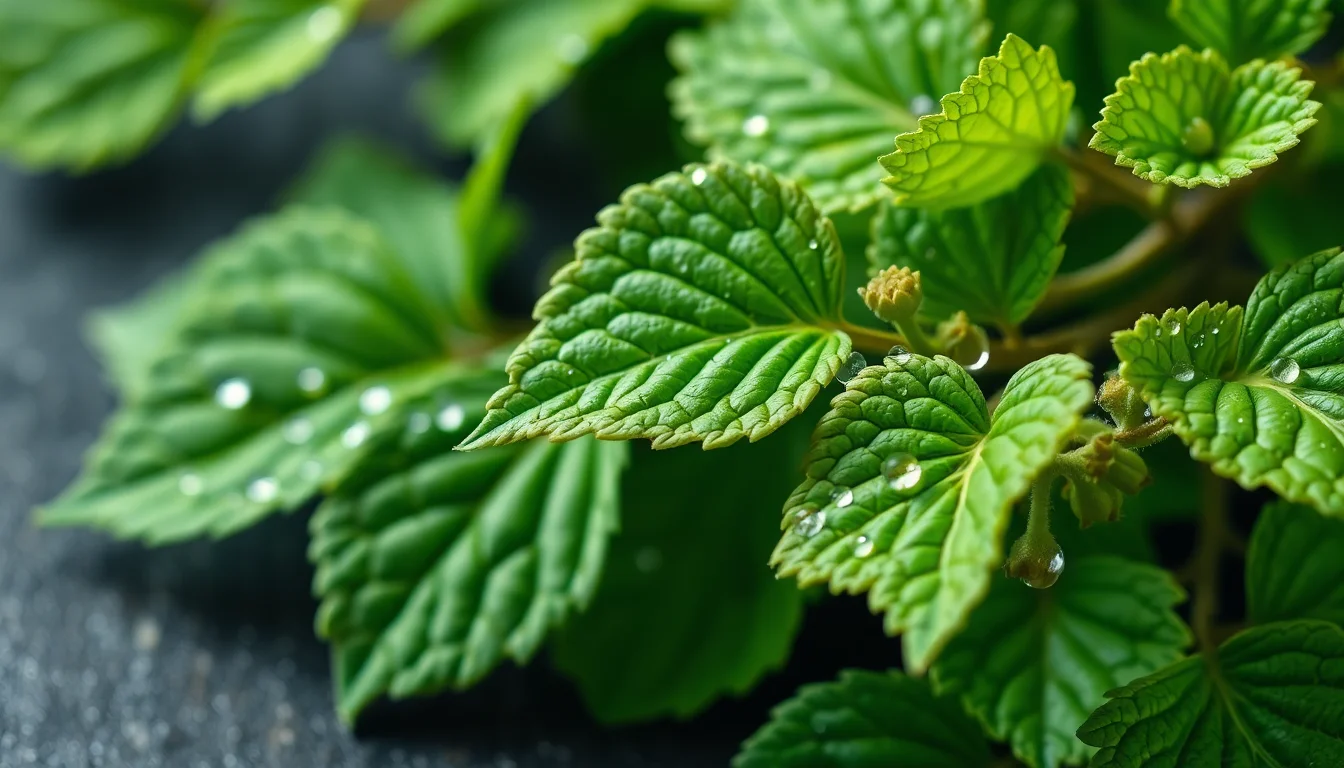
Lovage leaf oil is a natural essential oil derived from the leaves of the lovage plant, commonly used in perfumery and aromatherapy. It is often encountered in herbal and green fragrances, as well as in some traditional medicinal preparations. This oil matters because it adds a unique, herbaceous depth to fragrances, evoking fresh gardens and earthy tones, making it a favorite for natural and botanical scent profiles.
Safety Profile
GENERALLY SAFEWhat Does Lovage leaf oil Smell Like?
Lovage leaf oil opens with a sharp, green, and slightly celery-like top note, reminiscent of a fresh herb garden after rain. The heart reveals a more complex, earthy undertone with a hint of spice, akin to crushed leaves and damp soil. The dry-down is warm and slightly woody, with a lingering herbal sweetness that blends seamlessly into the skin.
In Famous Fragrances
Fragrance associations may not reflect actual formulations.
Lovage leaf oil adds a crisp, green freshness to this fragrance, enhancing its herbal and vegetal character, making it a standout in the green fragrance category.
Used to amplify the green, leafy accord, lovage leaf oil contributes a natural, earthy depth that complements the fragrance’s botanical theme.
Chemistry, Properties & Perfumer Guide
The Chemistry
Lovage leaf oil is primarily composed of phthalides, which are responsible for its characteristic celery-like aroma. These compounds are derived from the phenylpropanoid pathway in the plant. The oil also contains terpenes such as limonene and α-pinene, which contribute to its fresh, green notes. The synthesis of these compounds occurs naturally in the plant, and the oil is typically extracted via steam distillation.
Physical & Chemical Properties
| Boiling Point | N/A |
|---|---|
| Density | N/A |
Perfumer Guide
| Application | Typical % | Range | Notes |
|---|---|---|---|
| Fine Fragrance | 1-3% | Up to 5% | Adds green, herbal complexity |
| Aromatherapy | 0.5-2% | Up to 3% | Used for its calming and grounding properties |
Classic Accords
Tip: Use sparingly to avoid overpowering other notes, as lovage leaf oil has a strong, distinctive character.
Alternatives & Comparisons
Similar green, herbal notes but with a more pronounced spicy undertone, suitable for more intense fragrances.
Offers a earthy, musky alternative with similar green nuances, ideal for deeper, more complex blends.
Safety, Regulatory & Sustainability
⚠ Regulatory Disclaimer
General reference only. Consult current IFRA Standards Library before formulating.
IFRA Status
No specific IFRA restrictions apply to lovage leaf oil.
EU Allergen Declaration
None known.
RIFM Assessment
RIFM has not issued specific safety concerns for lovage leaf oil when used in standard concentrations.
Sustainability
Lovage leaf oil is sustainably sourced from cultivated plants, reducing the need for wild harvesting. The plant is hardy and requires minimal pesticides, making it an environmentally friendly choice. Steam distillation, the primary extraction method, is energy-efficient and produces minimal waste.
Explore Lovage leaf oil
Browse essential oils and aroma compounds.
Browse on iHerb →Affiliate disclosure: we may earn a small commission at no extra cost to you.
References
Data: PubChem (NIH), PubMed, RIFM, IFRA. Last reviewed: Apr 2026.
Report a data errorIngredient Data Sheet
CAS 8016-31-7Odor & Flavor
| The oil from the green parts is normally not manufactured and exhibits less interesting characteristics than the rhizome oil. Essential oil from rhizomes can be obtained by steam distillation of fresh or dried rhizomes with yields of 0.1 to 0.2%, or 0.6 to 1.0%, respectively. It exhibits a strong odor reminiscent of celery and angelica with a sharp, analogous flavor.📖 Fenaroli |
Regulatory Status
| IOFI Classification | Natural📖 Fenaroli |
Physical data: PubChem (NIH/NLM), U.S. EPA CompTox Dashboard, EPA OPERA models, RDKit. Odor & flavor: Arctander (Perfume & Flavor Chemicals), Fenaroli's Handbook of Flavor Ingredients, Leffingwell. Thresholds: van Gemert (Compilations of Odour Threshold Values). Regulatory: IFRA Standards 51st, FEMA GRAS. Trade names: Surburg (Common Fragrance & Flavor Materials). All data compiled and cross-referenced for perfumertools.com.
Related Research
- Phenyl salicylate (CAS 118-55-8) — Sweet Middle to base Note Fragrance Ingredient
- Salicylic Acid (CAS 69-72-7) — Green Heart Note Fragrance Ingredient
- Cade oil rectified (CAS 92202-02-03) — Smoky Base Note Fragrance Ingredient
- Alpha-hydro-omega-hydroxypoly(oxy(methyl-1,2-ethanediyl)) (CAS 25322-69-4) — Citrus Non-fragrant Note Fragrance Ingredient