Forest pepper CO2 extract (CAS 102242-62-6) — Green Top to middle Note Fragrance Ingredient
Forest pepper CO2 extract
CAS 102242-62-6
What Is Forest pepper CO2 extract?
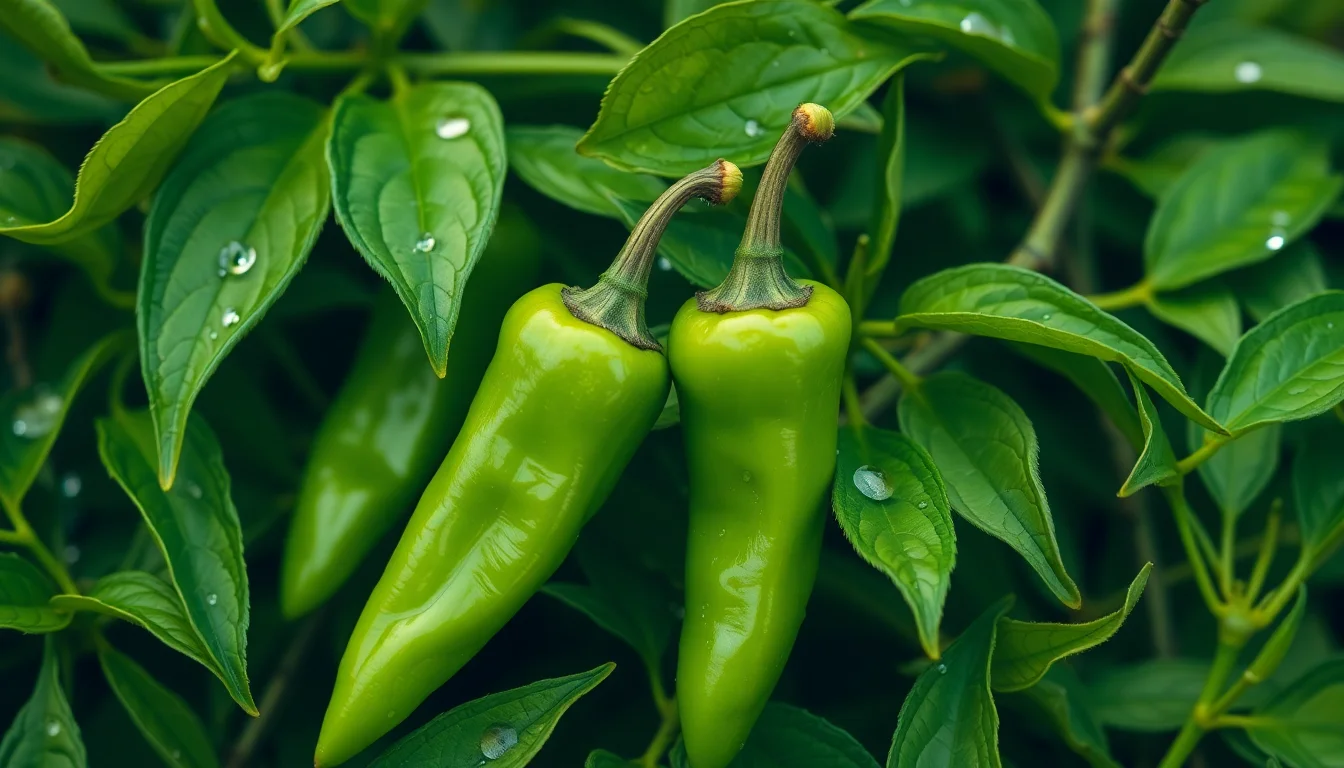
Forest pepper CO2 extract is a concentrated aromatic material obtained from the berries of the wild pepper plant (Piper nigrum) using supercritical carbon dioxide extraction. You might encounter its warm, woody-spicy character in niche perfumes and natural personal care products. This extract matters because it captures the raw, earthy complexity of wild pepper without the harshness of steam-distilled versions, offering perfumers a sophisticated green-spicy note.
Safety Profile
USE WITH AWARENESSWhat Does Forest pepper CO2 extract Smell Like?
A primal burst of crushed green peppercorns still on the vine – sappy, almost minty freshness with a resinous undercurrent. Unlike kitchen pepper, this retains the berry’s juicy green facets for hours before drying to a warm, ambery woodiness. The CO2 extraction preserves volatile top notes that steam distillation destroys: imagine snapping a pepper stem and inhaling the sap alongside the spice. As it evolves, a subtle leathery dimension emerges, like sun-warmed tree bark dotted with unripe berries.
In Famous Fragrances
Fragrance associations may not reflect actual formulations.
Provides the elusive ‘pickle juice’ sharpness that cuts through the sandalwood, adding an addictive tension between creamy and vegetal.
Showcases the extract’s green volatility in the opening, using it as a sparkling contrast to the later smoky notes.
Employs the berry’s woody facets to bridge citrus top notes and oud base, creating seamless spicy warmth.
Uses the extract’s sappy bitterness to amplify rose’s thorny character in this avant-garde oriental.
Layers the peppery greenness over amber to recreate the sensation of sun-baked herbs in dry wind.
Chemistry, Properties & Perfumer Guide
The Chemistry
Forest pepper CO2 extract contains over 60 identified compounds, with β-caryophyllene (15-25%) and limonene (10-18%) as major constituents. The supercritical extraction at 40-60°C and 100-300 bar pressure selectively captures oxygenated sesquiterpenes often lost in distillation. Unlike steam-distilled pepper oil, this retains intact fruit esters like linalyl acetate (3-7%) and trace amounts of the unstable α-phellandrene. The extract’s characteristic greenness comes from cis-3-hexenol and related leaf alcohols co-extracted with the berries.
Physical & Chemical Properties
| Appearance | Viscous greenish-brown liquid |
|---|---|
| Refractive Index | 1.485-1.495 |
| Specific Gravity | 0.865-0.885 |
Key Constituent Properties
| Constituent | CAS | MW | BP °C | XLogP | Vapor P. |
|---|---|---|---|---|---|
| β-caryophyllene | 87-44-5 | 204.35 | 262 | 4.5 | 0.01 mmHg |
| Limonene | 138-86-3 | 136.23 | 176 | 4.2 | 1.55 mmHg |
Perfumer Guide
| Application | Typical % | Range | Notes |
|---|---|---|---|
| Fine Fragrance | 0.5-2% | Up to 5% | Adds natural spicy complexity |
| Home Fragrance | 0.1-0.5% | Up to 1% | Provides warm diffusion |
| Natural Perfumery | 3-8% | Up to 15% | Key natural spice note |
Classic Accords
Tip: Stabilize the green top notes with a touch of cis-3-hexenyl salicylate to prolong freshness.
Alternatives & Comparisons
Softer, fruitier alternative when less woody bite is desired; contains more citrusy limonene.
More camphoraceous option with similar greenness but added eucalyptus facets.
Safety, Regulatory & Sustainability
⚠ Regulatory Disclaimer
General reference only. Consult current IFRA Standards Library before formulating.
IFRA Status
Not restricted under current IFRA standards (Amendment 49). Contains naturally occurring limonene (<1% allergenic oxidation products when fresh).
EU Allergen Declaration
Contains limonene (≥0.1% in consumer products requires allergen labeling per EU Regulation No 1223/2009).
GHS Classification
RIFM Assessment
RIFM assessment pending for this specific CO2 extract; related pepper oil deemed safe at current use levels.
Sustainability
Wild-harvested in Southeast Asian forests using selective picking methods that preserve vines. CO2 extraction has lower energy requirements than steam distillation (40°C vs 100°C) and produces no wastewater. The closed-loop system recaptures 95% of CO2 for reuse. Synthetic alternatives exist but lack the ecological depth of wild-harvested material.
Explore Forest pepper CO2 extract
Browse essential oils and aroma compounds.
Browse on iHerb →Affiliate disclosure: we may earn a small commission at no extra cost to you.
References
- Zachariah et al. (2016). Supercritical CO2 extraction of Piper nigrum. Journal of Essential Oil Research. DOI:10.1080/10412905.2015.1093556
Data: PubChem (NIH), PubMed, RIFM, IFRA. Last reviewed: Apr 2026.
Report a data errorIngredient Data Sheet
CAS 102242-62-6Physical data: PubChem (NIH/NLM), U.S. EPA CompTox Dashboard, EPA OPERA models, RDKit. Odor & flavor: Arctander (Perfume & Flavor Chemicals), Fenaroli's Handbook of Flavor Ingredients, Leffingwell. Thresholds: van Gemert (Compilations of Odour Threshold Values). Regulatory: IFRA Standards 51st, FEMA GRAS. Trade names: Surburg (Common Fragrance & Flavor Materials). All data compiled and cross-referenced for perfumertools.com.
Related Research
- 3H-Pyrazol-3-one, 2,4-dihydro-5-methyl-2-phenyl-4-(phenylazo)- (CAS 4314-14-1) — Green Base Note Fragrance Ingredient
- Geranium oil terpenes (CAS 68917-31-7) — Floral Top to Heart Note Fragrance Ingredient
- Hedychium absolute (CAS 1902936-65-5) — Floral Heart Note Fragrance Ingredient
- Cedarwood oil, oxidized (CAS 68916-71-2) — Woody Base Note Fragrance Ingredient