Caramel color (CAS 8028-89-5) — Sweet N/A Note Fragrance Ingredient
Caramel color
CAS 8028-89-5
What Is Caramel color?
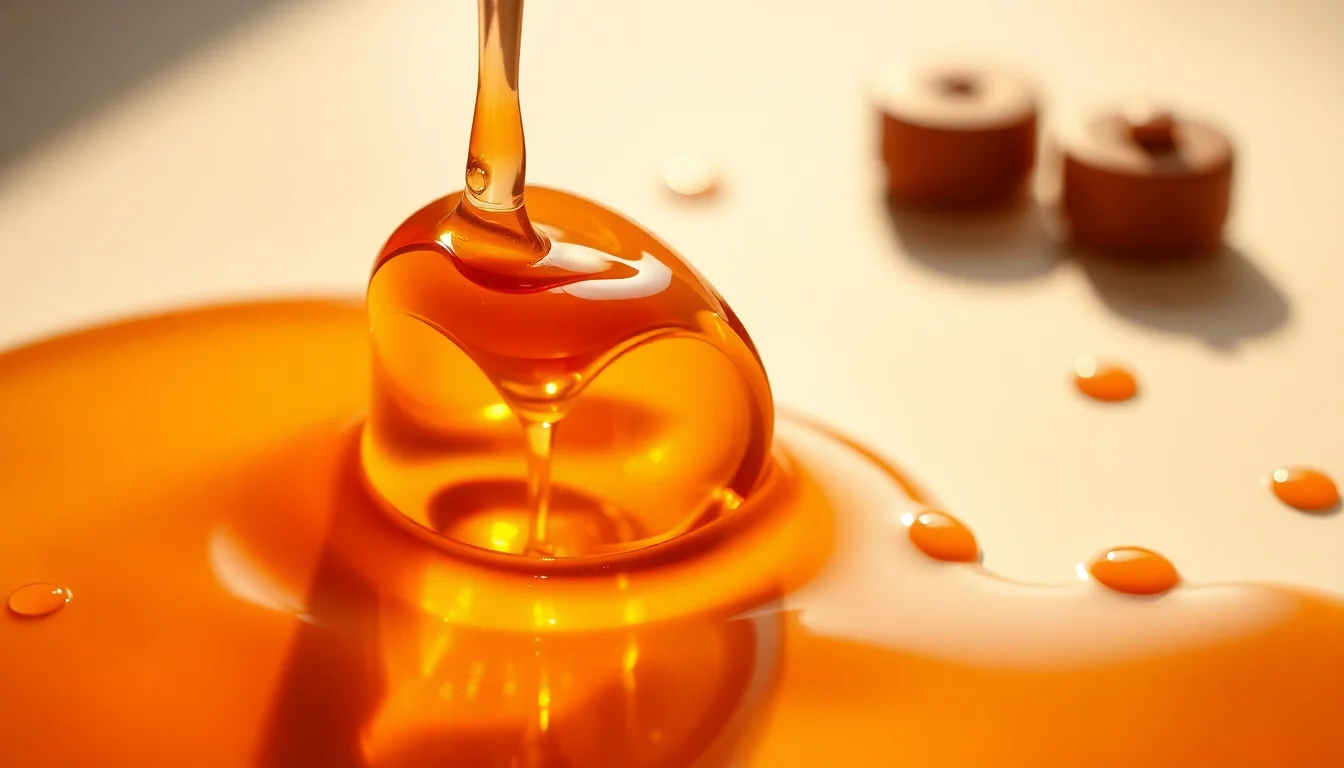
Caramel color is a widely used food coloring made by heating sugars. It’s found in sodas, sauces, baked goods, and even some cosmetics. This ingredient matters because it provides consistent brown coloring without artificial dyes, though its production methods can create different variants with distinct properties.
Safety Profile
GENERALLY SAFEWhat Does Caramel color Smell Like?
Caramel color itself is odorless, but the process of caramelization produces rich, sweet aromas reminiscent of toasted sugar, molasses, and burnt syrup. In fragrance, its olfactory contribution comes from associated molecules created during heating, which can add depth and gourmand warmth to compositions.
In Famous Fragrances
Fragrance associations may not reflect actual formulations.
Chemistry, Properties & Perfumer Guide
The Chemistry
Caramel color is a complex mixture of polymers produced through controlled heat treatment of carbohydrates. The Maillard reaction and caramelization create high molecular weight melanoidins. Four classes exist (I-IV) based on reactants: Class I (plain caramel), Class II (caustic sulfite caramel), Class III (ammonia caramel), and Class IV (sulfite ammonia caramel).
Physical & Chemical Properties
| Appearance | Dark brown liquid or powder |
|---|---|
| Solubility | Water soluble |
Perfumer Guide
| Application | Typical % | Range | Notes |
|---|---|---|---|
| Food | 0.1-3% | Up to 10% | Varies by application |
| Beverages | 0.02-0.5% | Up to 0.5% | Class IV most common |
Classic Accords
Tip: Primarily used for coloring rather than fragrance applications.
Alternatives & Comparisons
Provides similar coloring with more pronounced aroma characteristics.
Safety, Regulatory & Sustainability
⚠ Regulatory Disclaimer
General reference only. Consult current IFRA Standards Library before formulating.
IFRA Status
Not restricted by IFRA as it’s primarily a coloring agent.
RIFM Assessment
Not assessed by RIFM as it’s not a fragrance material.
Sustainability
Caramel color production is energy intensive but uses natural precursors. Class III and IV caramels may raise environmental concerns due to ammonium compound usage.
Explore Caramel color
Browse essential oils and aroma compounds.
Browse on iHerb →Affiliate disclosure: we may earn a small commission at no extra cost to you.
References
- JECFA (2011). Caramel Colours. WHO Food Additives Series 64. JECFA
Data: PubChem (NIH), PubMed, RIFM, IFRA. Last reviewed: Apr 2026.
Report a data errorIngredient Data Sheet
CAS 8028-89-5Odor & Flavor
| Caramel color is one of the oldest and most widely used food-color additives. Caramel has an odor of burnt sugar and a pleasant, bitter taste. However, at the low levels used in food, the taste is not perceptible. Internationally, the Joint FAO/WHO Expert Committee on Food Additives and Contaminants (JECFA) has divided caramel color into four classes, depending on the reactants used in its manufacturing. For further details see Burdock (1997).📖 Fenaroli |
Physical data: PubChem (NIH/NLM), U.S. EPA CompTox Dashboard, EPA OPERA models, RDKit. Odor & flavor: Arctander (Perfume & Flavor Chemicals), Fenaroli's Handbook of Flavor Ingredients, Leffingwell. Thresholds: van Gemert (Compilations of Odour Threshold Values). Regulatory: IFRA Standards 51st, FEMA GRAS. Trade names: Surburg (Common Fragrance & Flavor Materials). All data compiled and cross-referenced for perfumertools.com.
Related Research
- 4-Isopropyl-1-methylcyclohexene (CAS 5502-88-5) — Woody Middle Note Fragrance Ingredient
- Cedar leaf oil, Western Canada/USA (CAS 68917-35-1) — Woody Top to Middle Note Fragrance Ingredient
- Tolu, balsam, absolute (CAS 8024-03-01) — Balsamic Base Note Fragrance Ingredient
- 2,4-Dimethylcyclohexylmethyl acetate (CAS 67634-22-4) — Woody Middle Note Fragrance Ingredient